

Africa’s AI Turning Point: Inside the New AI Factory and What It Means for the Continent’s Future
Why Local Compute, Data Sovereignty, and Strategic Partnerships Will Shape Africa’s AI Decade

For years, discussions about Africa’s digital future have repeated the same themes: infrastructure gaps, data costs, connectivity inequality, and the slow pace of innovation diffusion from global tech giants to the continent. But something is shifting — materially and fast.
A month ago, during a gathering of African and Global technology leaders in Cape Town (Africa Tech Festival), a set of announcements landed that may represent the most consequential leap in Africa’s AI readiness yet. The centrepiece?
The launch of a continent-scale AI Factory equipped with thousands of NVIDIA GPUs, local supercomputing capacity, sovereign data controls, and direct partnerships with the world’s leading AI companies — NVIDIA, Google, Microsoft, Anthropic, Oracle and others.
This isn’t marketing sparkle. It is the beginning of a new digital-industrial era for Africa.
In this MasbTech deep-dive, we unpack the significance of the AI Factory, the infrastructure behind it, the partnerships powering it, and what these developments mean for African businesses, governments, entrepreneurs, and everyday citizens.
The AI Factory: Africa’s New Computational Heart
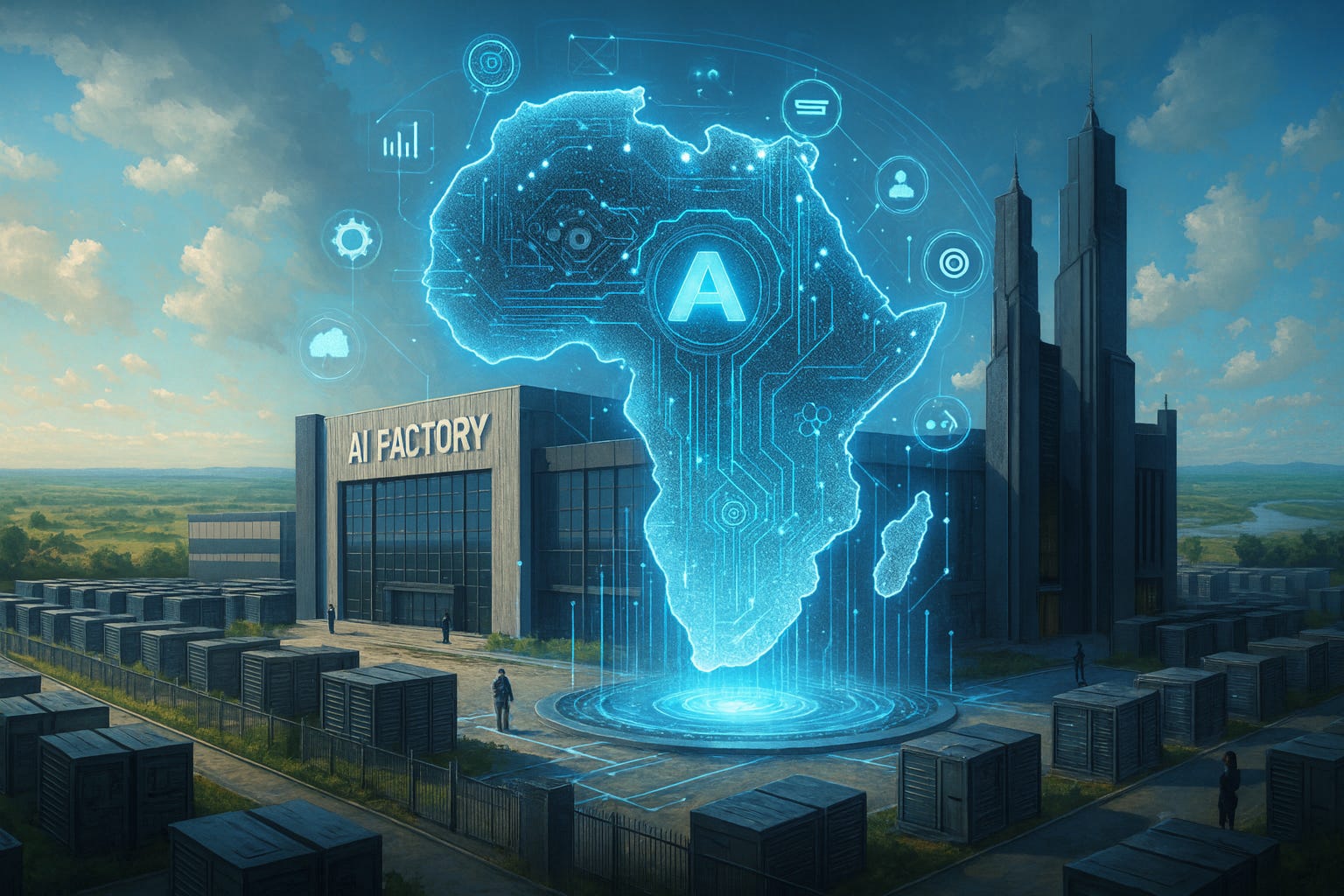
The AI Factory — developed and led by Cassava Technologies — is the first large-scale, multi-site GPU computing platform purposely built for the African market. According to Cassava CEO Hardy Pemhiwa, the infrastructure spans:
Over 120,000 km of fiber
Coverage of 550+ million people across 650 African cities
Backing from global investors including
Google,
NVIDIA,
US Development Finance Corporation, and
British International Investment.
Locally, this endeavour is backed by a strong coalition of shareholders, including founding shareholder the Econet Group, alongside Royal Bafokeng Holdings, the Public Investment Corporation of South Africa, and the Fund for Export Development in Africa, a subsidiary of the African Export–Import Bank.
But the breakthrough moment came when Strive Masiyiwa, founder of Econet and executive chairman of Cassava, secured an agreement with NVIDIA to deliver:
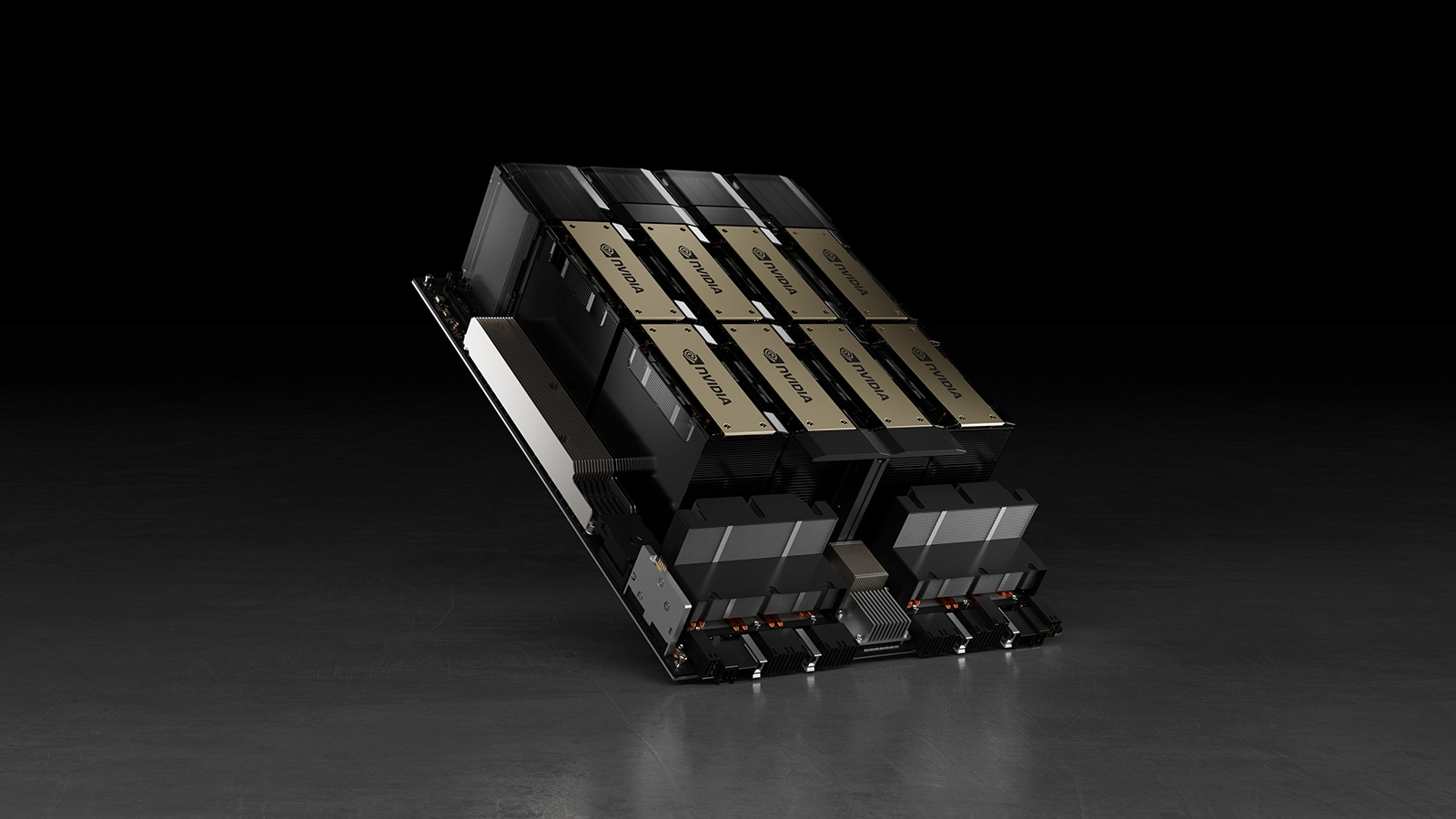
12,000 high-end NVIDIA GPUs — the first deployment of its scale in Africa.
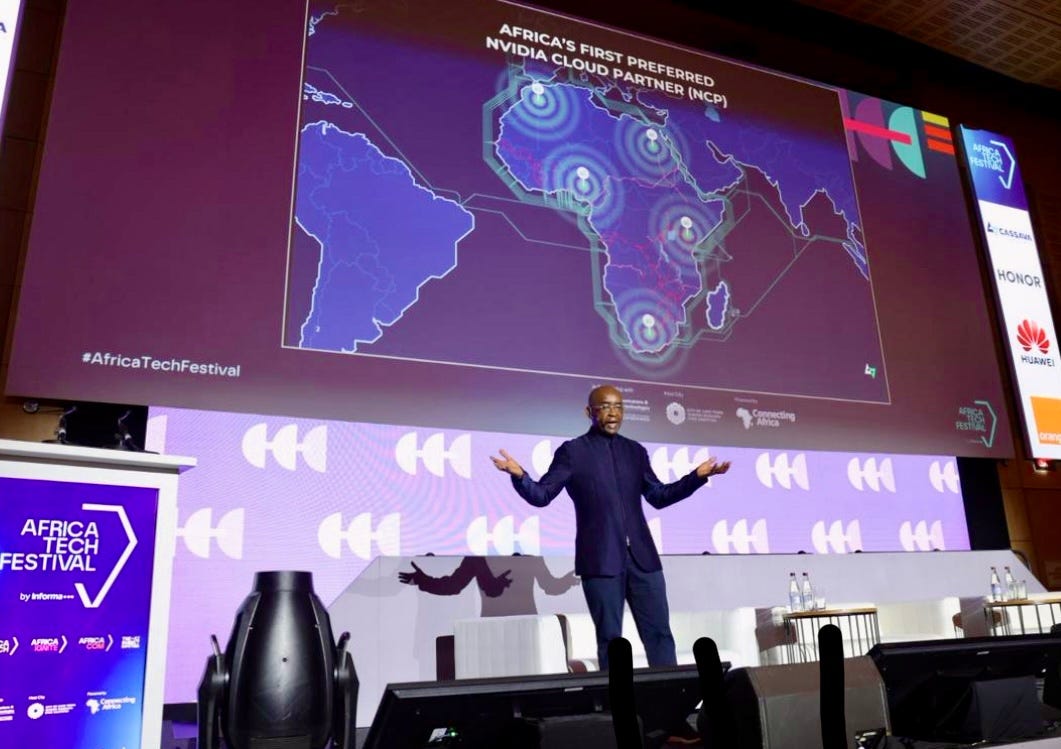
“They told us there were only 80 NVIDIA GPUs on the continent. I told Mr. Jensen Huang I wanted 12,000.”
— Strive Masiyiwa
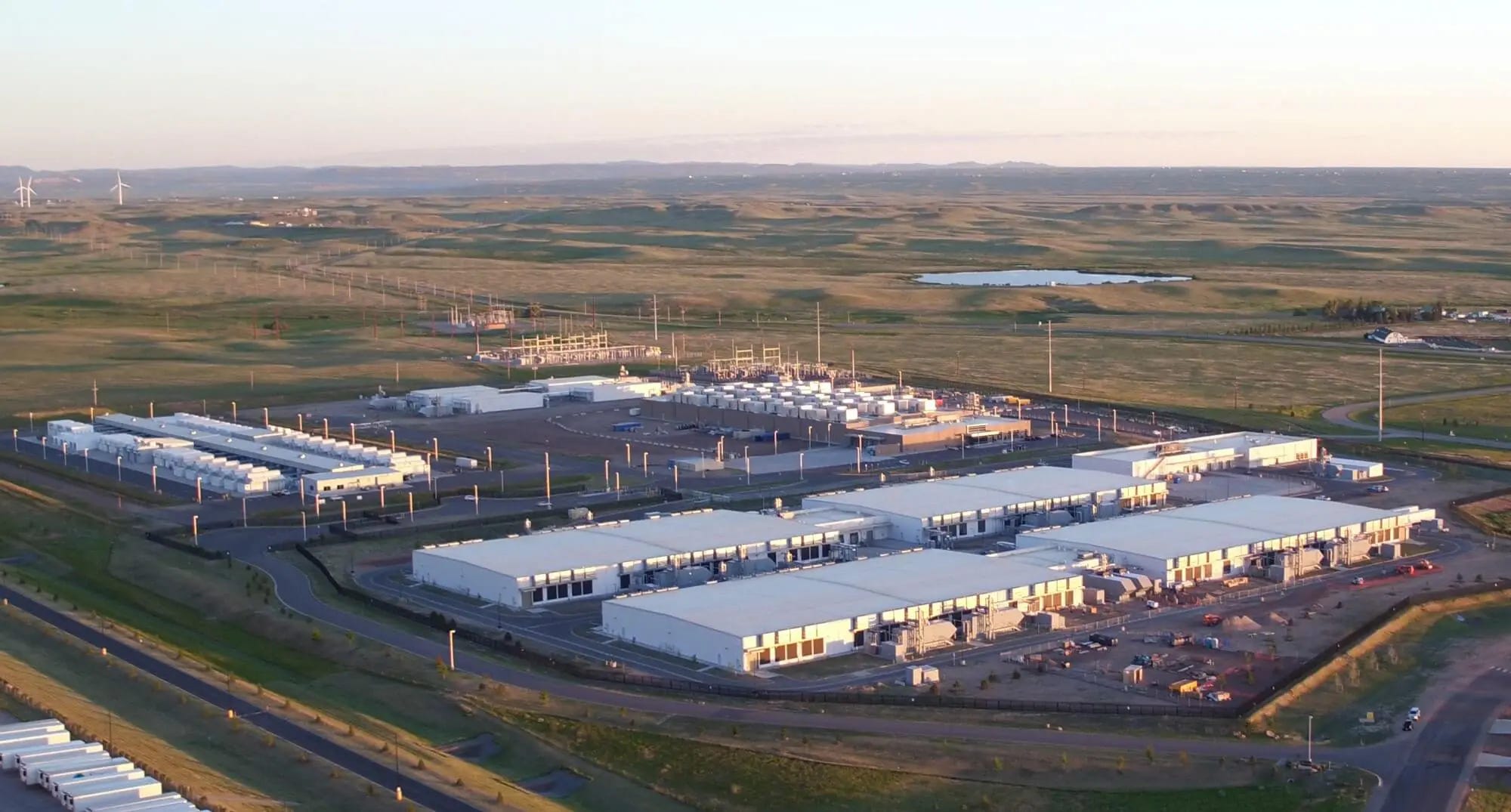
These GPUs are being distributed across five sites, including a major hub just outside Cape Town. Around 28 containerised shipments of equipment have already been flown in, with customer onboarding underway.
For a continent previously marginalised in global compute capacity, this is a seismic shift. Compute is the new electricity of the digital economy — and Africa is finally generating its own.
Why Compute Matters: From Dependency to Sovereign Capability
For years, African developers, researchers, and startups have depended on U.S. and European cloud regions for advanced AI compute. This brought three major problems:
High latency
High cost of cloud access and data transfers
Data sovereignty concerns, especially for sensitive sectors like health, telecoms, and finance
The AI Factory directly addresses these pain points.
Cassava’s new role as an NVIDIA NCP Cloud Partner gives African enterprises direct access to NVIDIA’s full AI development library — from radio access network optimisation to customer service automation, supply-chain intelligence, and specialised inferencing tools.
“This isn’t just compute for the sake of compute. African businesses need products that improve customer service, strengthen applications, and increase productivity today.”
— Strive Masiyiwa
The platforms built on top of the AI Factory are designed to plug directly into telcos, banks, health providers, educational institutions, and public sector systems — without routing data through foreign jurisdictions.
This aligns with global best practice. According to the OECD’s AI governance guidelines, countries without direct compute capacity remain “structurally dependent on foreign firms,” creating vulnerabilities in data security, sector competitiveness, and national resilience.
Africa is now building an alternative.
Google, Anthropic, and the AI Access Revolution
Perhaps the boldest component of the new ecosystem is the set of partnerships allowing millions of Africans to access advanced AI tools without data charges.
Data-free access to Google Gemini
As announced by Google’s VP of AI Studio, Josh Woodward:
Gemini will be data-free for millions.
Users will get complimentary access to Google AI Premium in several countries (Nigeria, Kenya, South Africa, Egypt, and more).
200 GB cloud storage + advanced image and video generation tools will be bundled.
This is unprecedented. In regions where data is a luxury, removing the cost barrier could ignite what GSMA calls a “mobile-centric AI adoption curve”, especially for education and small business productivity.
Anthropic & Cassava: Responsible AI built locally
Anthropic co-founder Daniela Amodei highlighted the importance of African participation:
“The future of AI must be shaped not just by a few companies or countries… Africa’s tech ecosystem has much to contribute.”
Anthropic’s Claude models will run on Cassava’s infrastructure, enabling faster, more affordable deployments of:
AI chat systems for governments
Enterprise automation
Code generation and developer tooling
Sector-specific models for finance, telecoms, and public services
This brings Africa directly into the global AI value chain, not as a consumer, but as a co-builder.
AI for Agriculture, Health, and Public Services
Beyond infrastructure and partnerships, the transcript revealed a clear orientation toward real-world impact sectors.
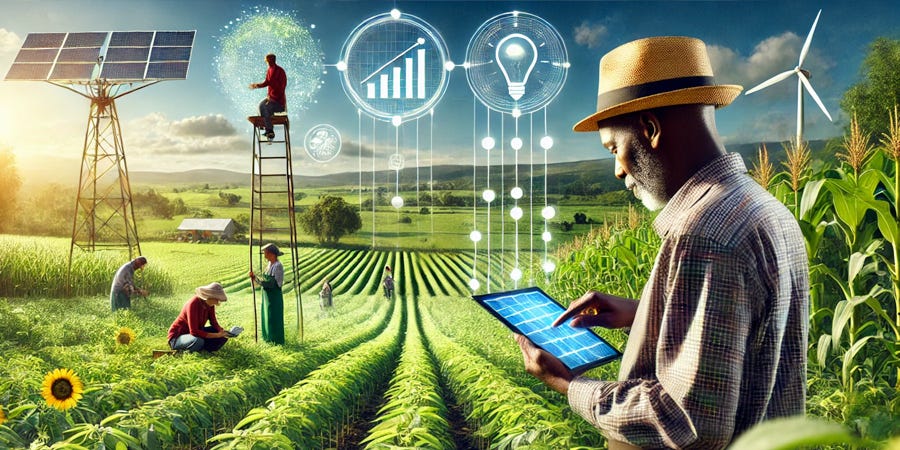
AI for Agriculture
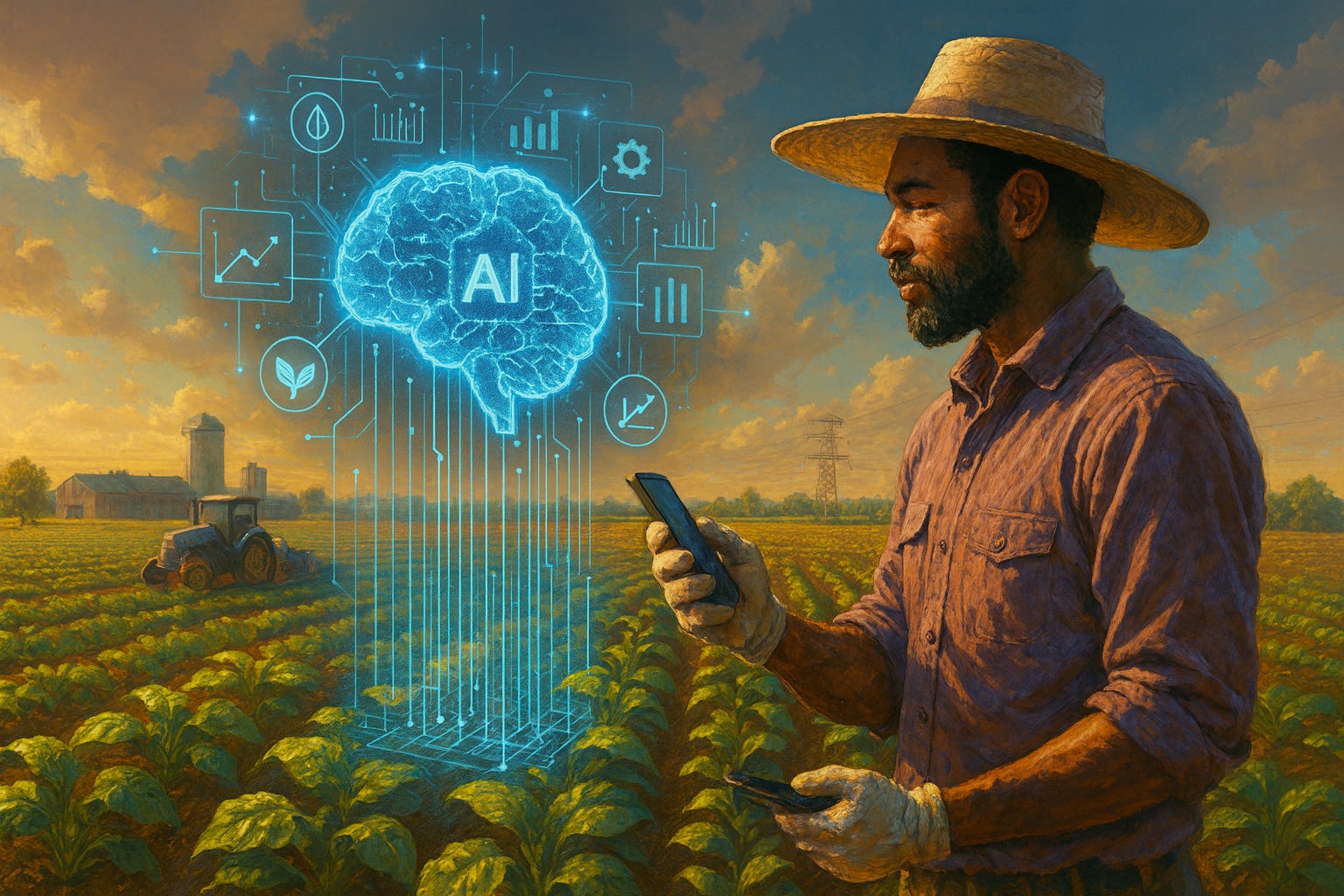
Digital Green CEO Rikin Gandhi underscored what local compute means:
“With the AI Factory on the continent, we can build AI models for agriculture — by farmers, for farmers.”
Services that will accelerate include:
Real-time crop disease detection
Weather and climate analytics
Market price prediction
Supply chain visibility
Farmer advisory chatbots (e.g., Farmer Chat)
Insurance and credit risk scoring tailored to rural realities
According to FAO research, AI-enabled agricultural systems can boost yields by 15–30% while reducing waste and production risk.
AI for Health
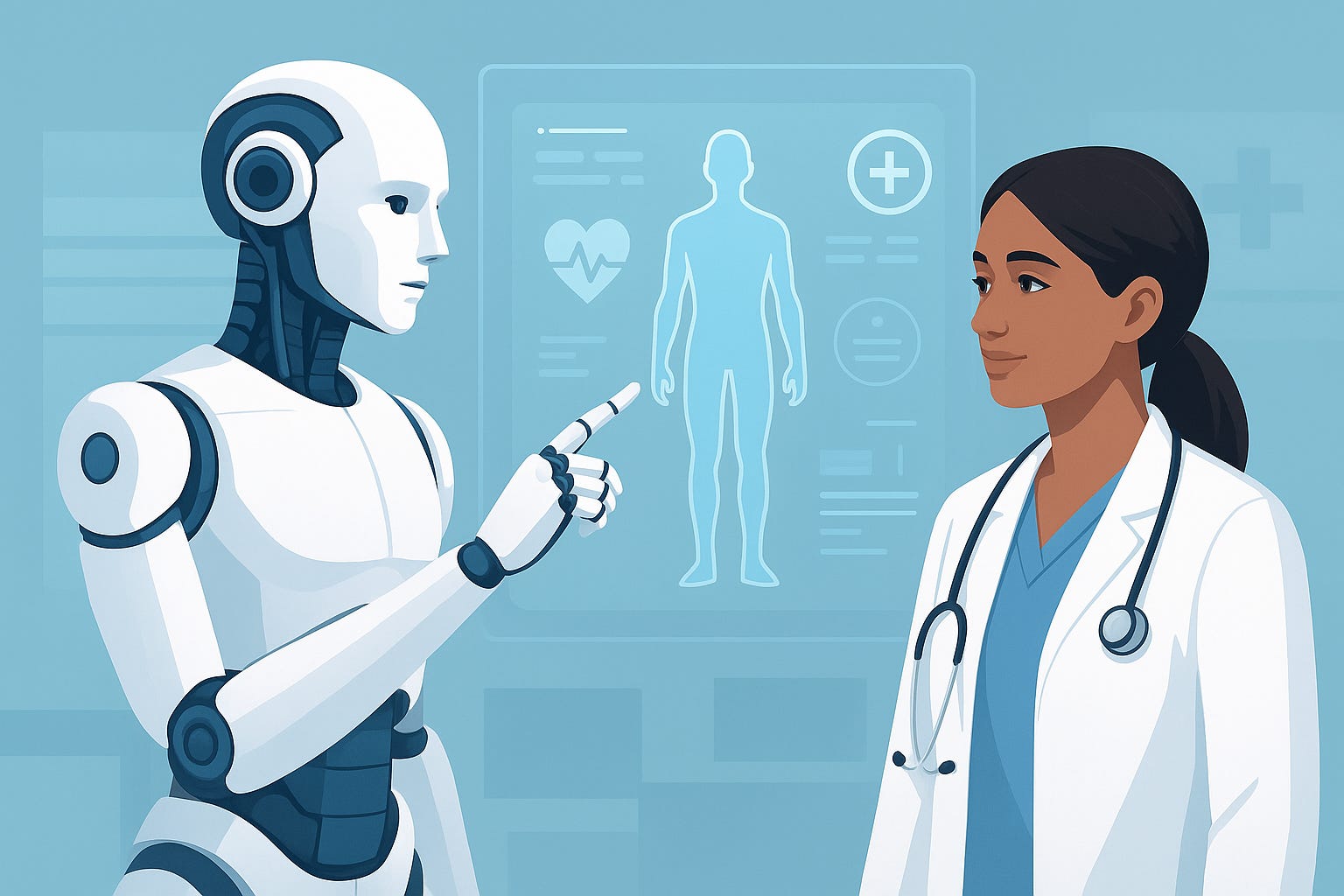
Jay Patel of Jacaranda Health called it a “game changer”:
“Local compute gives us faster, more responsive tools to improve maternal and newborn health outcomes.”
Potential transformations:
AI-powered triage in clinics
Ultrasound interpretation tools
Automated patient follow-ups via WhatsApp
National health data analytics
Disease surveillance models rivalling those used in Asia
Rural health-worker assistance via AI voice tools
With maternal mortality rates in sub-Saharan Africa still among the highest globally, these are not theoretical benefits — they are life-saving.
Telecom Operators: The Biggest Immediate Beneficiaries
African telcos have long battled:
Ballooning network costs
Congested radio access networks
Demanding customers
Churn and revenue decline
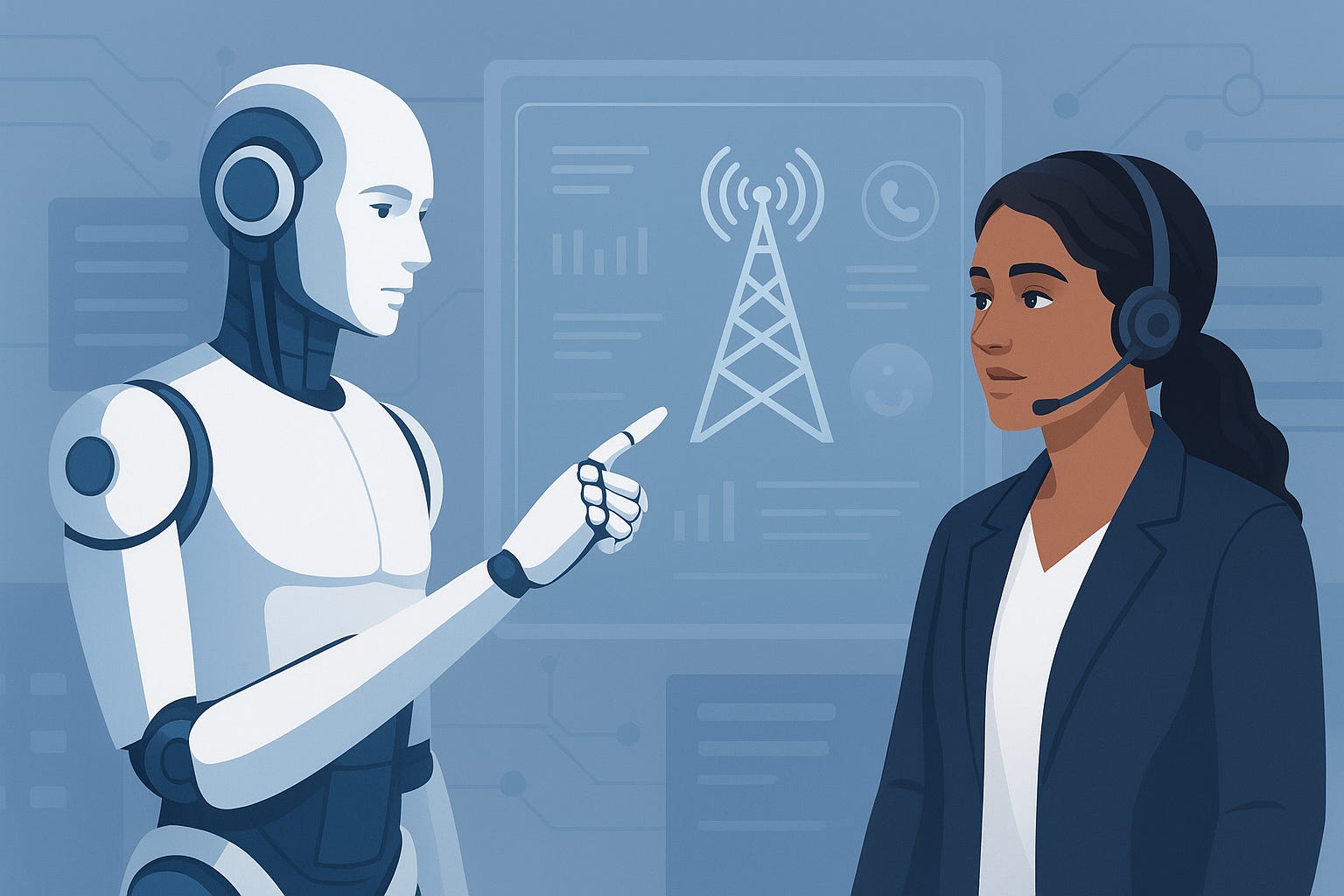
NVIDIA-powered AI solutions built with Cassava now enable:
25% improvement in RAN network efficiency
AI-driven customer care automation
Predictive maintenance
Fraud detection and SIM lifecycle intelligence
Dynamic 5G optimisation
“We already have eight or nine applications we could never deploy without GPUs.”
— Strive Masiyiwa
Cell C CEO Jorge Mendes emphasised sovereign data protection as a crucial reason for collaboration.
This shift mirrors global trends: according to McKinsey (2024), telcos adopting AI natively into their networks can capture $1.3 trillion in value over a decade. Africa’s telecom ecosystem now has its own runway.
Education and Skills: The Hidden Force Multipliers

One of the more understated points Masiyiwa made is arguably the most important:
“Major universities already have access to our computing platforms. They are already up to speed.”
Universities such as University of Cape Town are onboarding hundreds of researchers into NVIDIA GPU clusters. This parallels moves made by India and Brazil a decade ago — moves that accelerated their digital sectors.
Coupled with:
Free access to Gemini
Claude research models
Local AI labs
AI-driven curriculum tools
…the continent may be entering what UNESCO calls a “skills acceleration decade”, where the speed of learning, experimenting, and building multiplies exponentially.
A New Era for African Startups
Gebeya’s Head of Product Martin Ndlovu captured the sentiment:
“This is a huge milestone for African AI startups building native solutions.”
Startups will benefit through:
Cheaper model training
Faster experimentation
Ability to deploy custom models for Francophone, Lusophone, Swahili, Zulu, Amharic, Hausa, Yoruba and other languages
Sector-specific datasets stored locally
Access to global AI partners without overseas costs
African AI startups raised over $600M between 2019 and 2023 (Partech Africa), but were limited by compute and data constraints. This new ecosystem removes the ceiling.
The Economics: Africa as a $15.7 Trillion Contributor
Anthropic cited a projection that Africa could contribute $15.7 trillion to global GDP by 2030. This reflects long-term estimates by PwC and Accenture that AI could contribute up to:
$1.5–$3 trillion to Africa’s own GDP by 2030
A 5–15% productivity uplift across key sectors
20–40% improvement in government efficiency
While estimates vary, the direction is clear:
AI will be the core economic engine of late-stage industrialisation in Africa.
Risks and Realities: What Africa Must Still Solve
No transformation comes without structural risk. Africa’s AI revolution must confront:
1. The Data Governance Gap
The African Union is still finalising the Continental AI Strategy, leaving many countries without clear regulations on:
Data ownership
Algorithmic fairness
AI ethics
Procurement standards
Cross-border data flows
2. Power Infrastructure
GPU clusters require stable electricity — often lacking in key markets. Cooperation with energy providers is non-negotiable.
3. Digital Divide
Without nationwide connectivity, AI access could create a two-tier society: those with AI literacy, and those without.
4. Talent Shortage
Africa has fewer than 200,000 AI practitioners (compared to over 4 million globally). Skills must scale at unprecedented speed.
Yet these risks are solvable — and this time, Africa is not waiting.
Why This Moment Is Different
Africa missed the first three industrial revolutions for well-documented structural reasons. But the Fourth Industrial Revolution — built on cloud, AI, and digital intelligence — is different:
It is software-driven, not hardware-dominated
It does not require heavy manufacturing capacity
Mobile-first economies adapt faster
African youth populations provide a competitive advantage
AI tools are increasingly accessible, inexpensive, and local
As Masiyiwa put it:
“We will not be left behind in the Fourth Industrial Revolution.”
This is not hope. It is strategy — backed by infrastructure, capital, partnerships, and intent.
Africa’s AI Decade Starts Now
The vision that emerged from the AI Factory announcements is clear:
African data processed on African soil
African models trained on African realities
African developers solving African problems
African enterprises scaling with world-class compute
African citizens accessing AI tools without barriers
This is the beginning of Africa’s AI decade — one in which the continent is not a passive consumer of global innovation, but an active architect of it.
The next chapter belongs to the builders, the coders, the founders, the teachers, the students, the farmers, the developers, the doctors, and the dreamers who will use this infrastructure not merely to catch up… but to lead.
Africa is not preparing for the future.
Africa is building it.